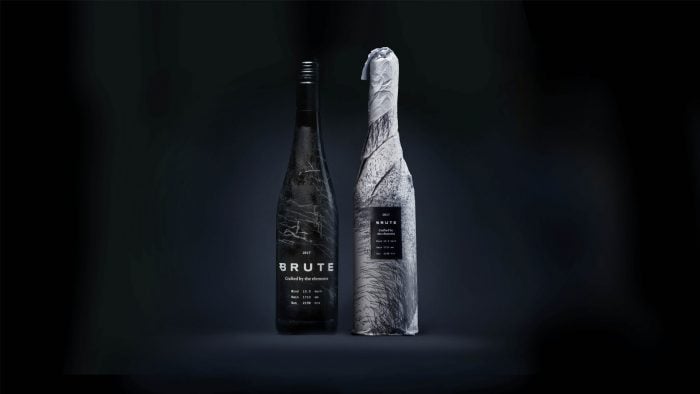
Data comes in different forms. A distinction is made between quantitative and qualitative data. Quantitative data deals with those aspects of the world that can be objectively measured and expressed in numbers. Examples of this could be the expression of temperature in Celsius, precipitation in millimeters or volume in decibels. [1]
[1] Cf. Jürgen Bortz, Nicola Döring: Forschungsmethoden und Evaluation, Berlin/Heidelberg 2006, p. 32, p. 222
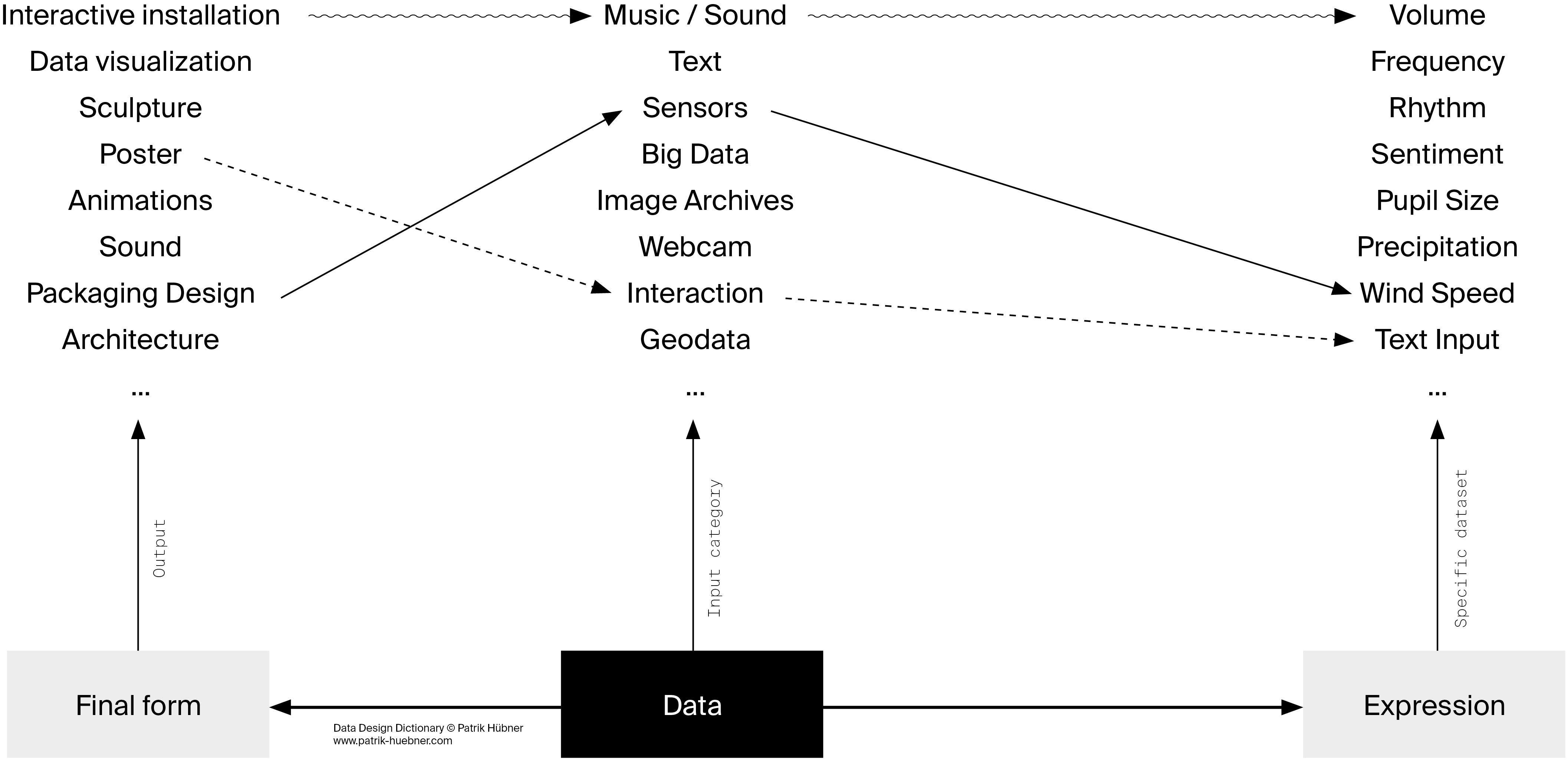
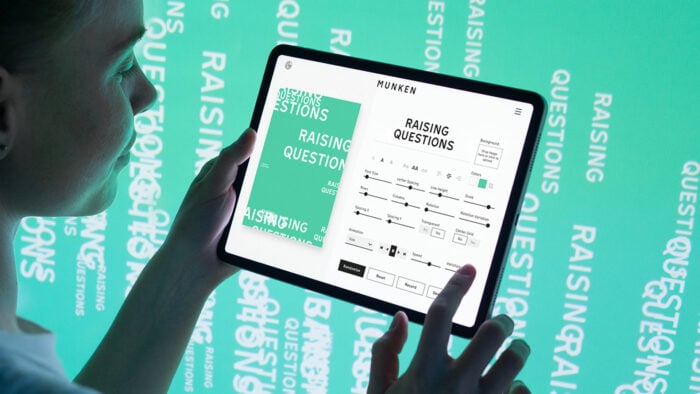
The path from output to form and design. Ideas for possible routes for data-driven branding / communications design cases and stories arise through the connection of output input in form of quantitative data sources and their specific expressions and qualities.
Map of relevant entites and relationships
{
“nodes”: [
{“id”: 1, “label”: “Quantitative Data”, “title”: “Numerical information about ‘how many’ or ‘how much’.”},
{“id”: 2, “label”: “Generative Design”, “title”: “Using algorithms to create multiple design solutions.”},
{“id”: 5, “label”: “Algorithm”, “title”: “A set of rules or steps followed to solve a problem.”},
{“id”: 6, “label”: “Design Solutions”, “title”: “Possible designs generated by the algorithm.”},
{“id”: 8, “label”: “Data Collection”, “title”: “Process of gathering quantitative data.”},
{“id”: 9, “label”: “Environment”, “title”: “The environment can be a broad source of data that can be used as inputs for the design.”}
],
“edges”: [
{“from”: 1, “to”: 2, “arrows”: “to”, “label”: “is the basis of”},
{“from”: 2, “to”: 5, “arrows”: “to”, “label”: “uses”},
{“from”: 2, “to”: 6, “arrows”: “to”, “label”: “produces”},
{“from”: 5, “to”: 6, “arrows”: “to”, “label”: “generates”},
{“from”: 1, “to”: 8, “arrows”: “to”, “label”: “is based on”},
{“from”: 8, “to”: 9, “arrows”: “to”, “label”: “collects from”},
{“from”: 5, “to”: 9, “arrows”: “to”, “label”: “uses data from”},
{“from”: 9, “to”: 2, “arrows”: “to”, “label”: “influences”}
]
}
This map is interactive.
Hover over elements to learn more. Click-and-drag elements to move them around.
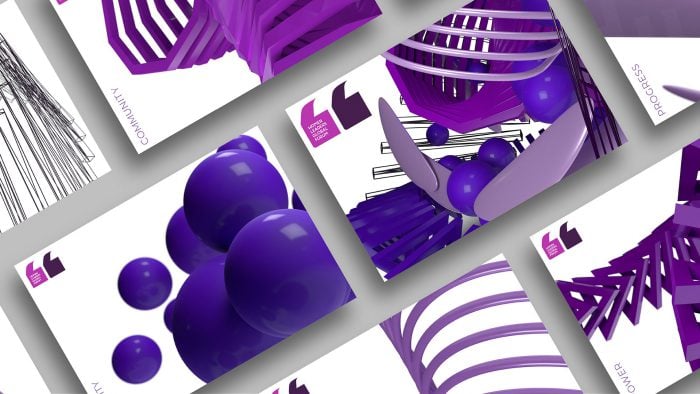
The bigger picture of designing and branding with data: