What is a Material?
Data-Design Dictionary
A dictionary to illuminate data-driven generative design and creative coding.
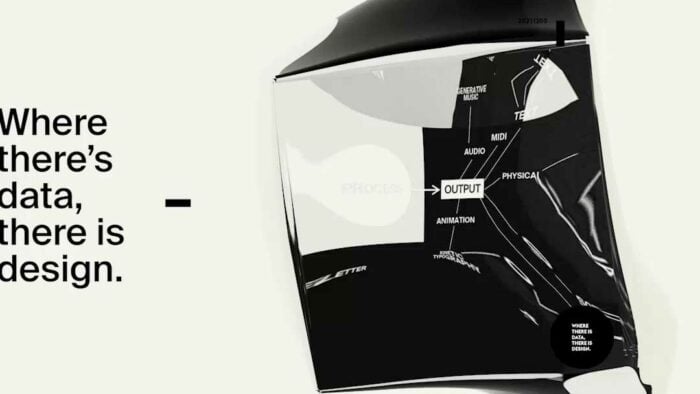
In the context of The Generative Mind, Material is the substance or medium through which design takes shape. Traditionally, this might refer to physical matter such as paper, wood, fabric, metal, or ink. In the context of contemporary and generative design, however, material extends far beyond the physical. Data, code, algorithms, interaction, environmental signals, automation, and artificial intelligence can all function as material when they actively shape the emergence of form, behavior, and meaning.
To think of something as material changes its role in the creative process. A tool helps execute an intention. A material invites transformation. It has properties, behaviors, limitations, and potentials that influence what can be made and how it can be made. Material does not simply serve a finished idea. It pushes back, opens possibilities, introduces constraints, and becomes part of the design conversation itself.
Hover over elements to learn more. Click-and-drag elements to move them around.
This expanded view of material is especially important in generative design. Here, design no longer begins only with the visible surface, but with the selection and shaping of the elements that drive a system. A dataset can become material. A stream of environmental input can become material. Human interaction can become material. In all of these cases, material is not passive. It participates in the production of form and can become a carrier of narrative, identity, and meaning.
Artificial intelligence is best understood in this way as well. AI is often framed as a tool for speed, automation, or output generation. But that view is too narrow. When approached as material, AI becomes something that can be shaped, directed, challenged, and embedded into a larger creative logic. Its value does not lie in replacing authorship, but in becoming part of a system through which authorship can operate differently. Like any material, AI is not meaningful on its own. It only becomes meaningful through the choices made around it by for example Creative Technologists: what it is trained on, how it is framed, where it enters a process, what it influences, and what kind of expression it helps bring into being. Seen this way, material becomes more than a resource. It becomes a site of authorship. It is where design moves from simply making artifacts to shaping the deeper conditions through which expression can emerge.