What is an Expression?
Data-Design Dictionary
A dictionary to illuminate data-driven generative design and creative coding.
Expression describes the way ideas, systems, identities, and meaning become perceptible through form. It is the moment in which something internal, structural, or conceptual becomes visible, tangible, audible, spatial, or otherwise experienceable. In design, expression is not only what something looks like. It is how a system appears, behaves, communicates, and enters into relation with the world around it.
In the context of generative design and communication, expression is the visible and experiential articulation of a deeper logic. Rules, parameters, data, narrative, context, interaction, and intention all contribute to how expression emerges. This means that expression is shaped not only by formal decisions, but by the forces, relationships, and systems that lie beneath the visible surface.
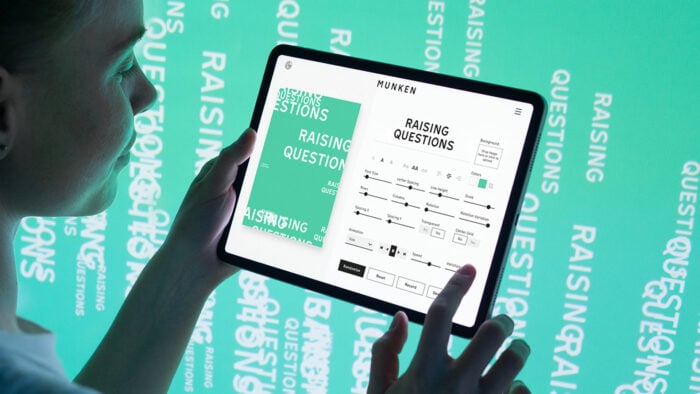
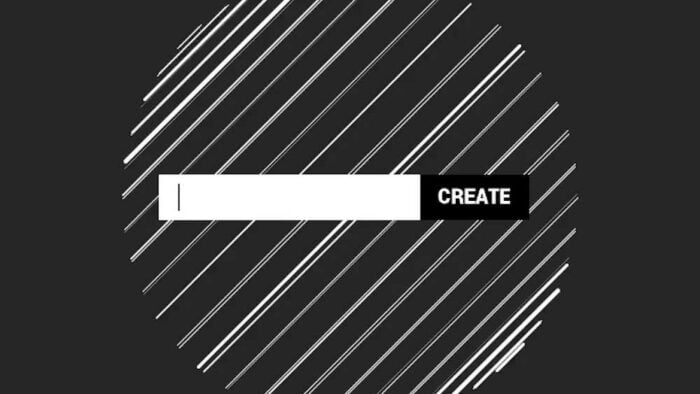
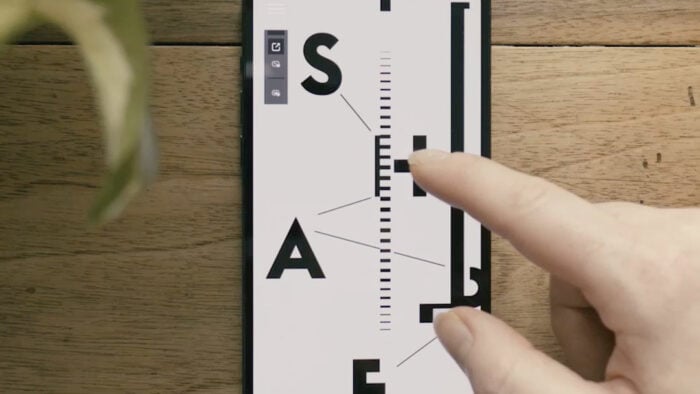
Hover over elements to learn more. Click-and-drag elements to move them around.
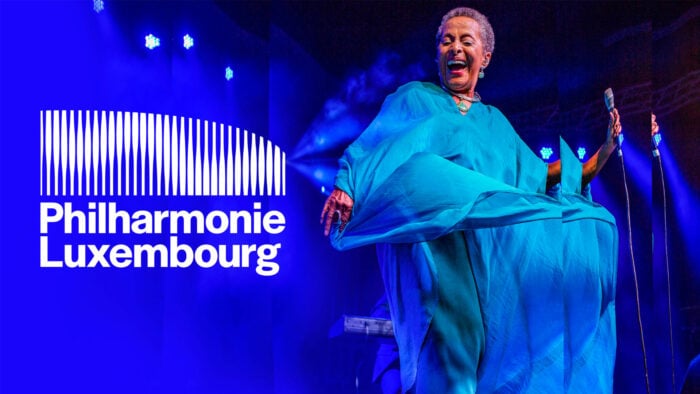
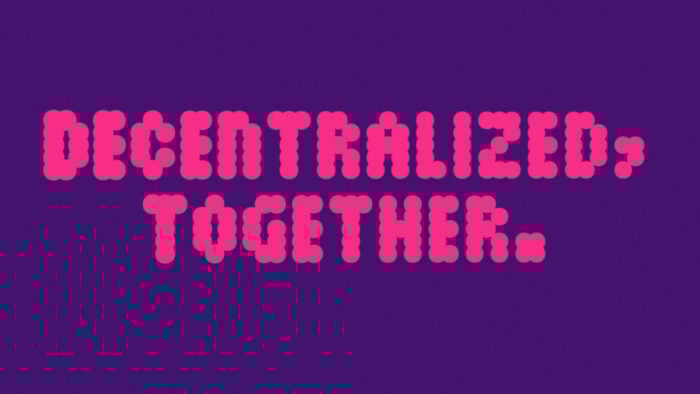
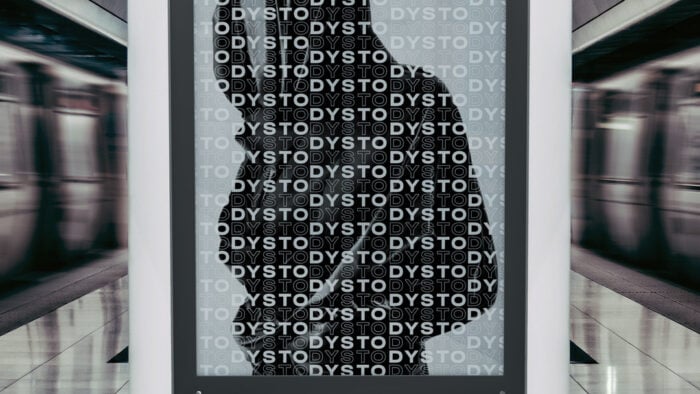
This understanding becomes especially important in generative branding. In traditional identity design, expression is often tied to a fixed set of predefined assets: a logo, a color palette, a typography system, a limited number of visual applications. In a generative framework, expression becomes more open, dynamic, and responsive. A brand’s expression can shift across channels, react to context, absorb data, respond to interaction, and still remain coherent. In that sense, expression is no longer a singular answer. It becomes the perceptible surface of a living system.
This also changes how expression relates to meaning. A strong expression does not simply attract attention or communicate function. It gives shape to a perspective. It allows people to sense character, difference, and intention. When data, context, or interaction are meaningfully integrated into a system, expression can carry more than style: it can make relationships visible, tell stories, reveal patterns, and create resonance. It becomes the place where structure, emotion, and communication meet.
Expression is therefore closely tied to authorship. Even when systems are dynamic, computational, or partially autonomous, expression still depends on human judgment. Someone decides what enters the system, what kinds of transformations are possible, what remains fixed, what stays open, and what kind of voice the resulting forms should carry.